


Propane and multi-fuel technologies expand options for resilient power
⦁ Power module demonstrates dynamic fuel switching
Hyliion Holdings Corp., a developer of modular power plant technology, demonstrated dynamic fuel switching in its KARNO Power Module, the company reports. The system transitioned between natural gas and propane while under load, maintaining continuous power generation without interruption, shutdown or hardware changes.
The demonstration showcases the system’s ability to adapt to new fuel sources in real time while still maintaining power output, advancing the future of resilient and sustainable power generation, Hyliion adds.
The power module is designed to operate on more than 20 fuel types with comparable efficiency and performance. Compatible fuels include natural gas, propane, diesel, hydrogen and ammonia. The system’s software automatically detects the new fuel and adjusts operating parameters in real time to maintain optimal performance without interruption for the end user.
Reliable power requires flexibility that gives customers the freedom to choose the energy source that makes the most sense to them, whether that’s the cleanest, most affordable or most readily available, says Thomas Healy, founder and CEO of Hyliion.
According to the company, the technology’s fuel flexibility provides advantages across a wide range of applications, including:
Data centers: Eliminate the need for separate diesel backup systems by switching fuels to maintain continuous operation during supply disruptions.
Landfill, dairy and waste-to-energy projects: Automatically adapt to variations in biogas composition and energy content without manual tuning or downtime.
Rental and distributed power operators: Use the same unit across diverse sites, operating on diesel or propane in off-grid locations and natural gas in industrial environments, reducing capital costs associated with single-fuel systems.
The power module uses heat as its primary energy input instead of timed combustion. Its linear generator architecture controls fuel flow and temperature to convert fuels into required heat and then into electricity with low emissions and high efficiency.
While not all of the compatible fuels may be available at initial product launch, the technology is designed to support them as commercialization expands, the company adds.
⦁ Demo microgrid systems integrate propane
WATT Fuel Cell Corp. and the Hawaii Pacific Alliance for Worldwide Advancement (HIPAWA), a native Hawaiian- and Polynesian-led consortium helping clean energy and climate technologies scale, partnered on the installation of eight demonstration microgrid systems in Hawaiian households.
The new systems will integrate the WATT HOME propane-powered fuel cell system along with solar and battery energy storage for 24/7 reliability. This combination is designed to lower energy bills and ensure resilient power during outages.
The purchase agreement is the first step toward a broader systems supply agreement between HIPAWA and WATT. WATT plans to make more than 5,000 clean hybrid energy systems available in Hawaii over the next three years.
With the WATT HOME system, Hawaiian residences can act as their own power plant, generating power at home while also having the capability to provide power back to the grid when needed. With over 5,000 systems, this will represent the potential for more than 350 megawatt-hours of energy available each day to improve Hawaiian grid reliability, according to the company.
⦁ Fuel cell system installation to support residential rollouts
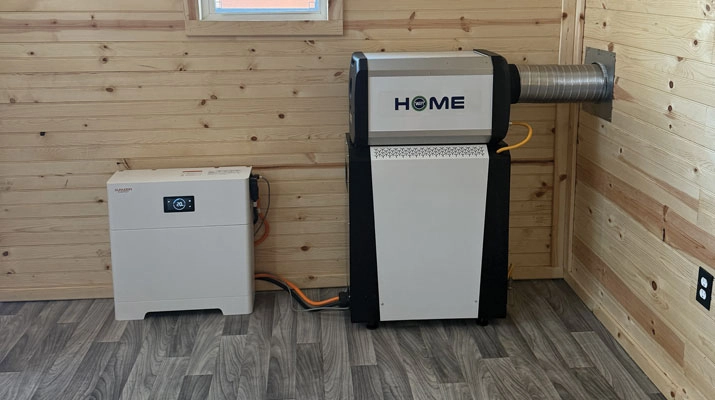
WATT Fuel Cell says it is making significant progress in its commercial expansion strategy with the successful installation of a 2-kilowatt WATT HOME solid oxide fuel cell (SOFC) system at the Edward M. Smith National Career and Life Skills Development Center, Hope Gas’ new training facility in Clarksburg, West Virginia.
This project is among the early product shipments that will support residential installations beginning in January and underscore growing market demand for backup power solutions that enhance grid resiliency across outage-prone regions, according to the company.
The initiative with Hope Gas, a local distribution company, involves the deployment of 7,250 units across West Virginia over three years.
WATT Fuel Cell is a manufacturer and developer of solid oxide fuel cell stacks and systems that operate on fuels such as propane and natural gas. Its manufacturing process has allowed it to produce commercially viable SOFC products for small-scale and remote power applications. Its hybrid power management system works in tandem with renewable power sources (solar and wind) and energy storage to provide energy solutions globally.
The WATT HOME system incorporates the fuel cell, battery and inverter, enabling home backup automatically in grid outages.
Related Articles
PERC advances alternative technologies for growth
Propane industry leaders highlight power generation opportunities in 2025
You May Also Like







Subscribe to LP Gas
If you enjoyed this article, subscribe to LP Gas to receive more articles just like it.