

Sponsored Content
Blackmer teams demonstrate precision-built pump and compressor technologies.
Guide to Overcoming the Challenges of LPG Transfer and Recovery
Learn about the insights and tools you need to improve every LPG transfer.

By Blackmer, Inc.
The safe and efficient transfer of liquefied petroleum gases (LPG) such as propane and butane is an essential but complex task for many industries. These highly volatile fluids, with their unique handling requirements, can lead to significant operational inefficiencies if not managed properly.
Without the right equipment, challenges such as vaporization, pressure loss and incomplete product recovery can lead to wasted product, safety risks and costly downtime. However, with advanced pump and compressor technology from Blackmer®, operators now have more innovative and reliable solutions to overcome these challenges and unlock new levels of efficiency.
The Complexity of LPG Transfer
Handling LPG is unlike handling most other fuels. Due to its high volatility and low viscosity, LPG is prone to vaporizing when subjected to slight pressure drops or temperature increases. This tendency to boil and form vapor bubbles can create serious issues during transfer, including pump cavitation, reduced flow rates and even mechanical damage if systems are not properly designed.
“In addition to the physical challenges of the fluid itself, safety is paramount. Although LPG is relatively safe within its storage vessels thanks to its narrow flammability limits and strong containment, any leaks or mishandling during transfer operations introduce risk. Successful LPG handling, therefore, depends not only on proper training and system design but also on using equipment designed specifically for these demanding conditions.”
— Blackmer, Inc. Research Team
The Blackmer Advantage in LPG Pumping
Blackmer sliding vane pumps, particularly the LG and LGL Series, are specifically engineered to meet the demands of LPG transfer. These pumps feature a slotted rotor design where vanes slide in and out to form pumping chambers. As the rotor spins, these vanes trap and push fluid through the pump with remarkable consistency, even when small amounts of vapor are present.
This unique sliding vane design offers a significant advantage over conventional pumps. It compensates for wear automatically, maintaining near-original performance over time and delivering a consistent flow regardless of pressure fluctuations. The pumps are also highly capable of handling fluids like LPG that are difficult to seal, thus minimizing slippage and maximizing efficiency.
Beyond Pumps: Solving the Liquid Heel Problem
While efficient pumping is essential, another major inefficiency plagues LPG operations is the “liquid heel.” No matter how well a traditional pump performs, it cannot remove all the liquid from a vessel. Typically, around 3% of the vessel’s contents remain, resulting in significant product losses over time.
Blackmer addresses this issue with its LB Series Reciprocating LPG Compressors. By using a compressor to gently pressurize the vessel, operators can force nearly all the liquid out and recover vapors that would otherwise be released into the atmosphere. This not only increases overall product recovery but also reduces environmental emissions and improves safety.
Designing the Right System: Insights from Blackmer
Achieving peak performance requires more than just installing a high-quality Blackmer pump or compressor; it requires a thoughtfully designed system that considers the behavior of LPG at every stage of the transfer process. Blackmer technical resources provide detailed guidelines to optimize system design.
Minimizing line losses is critical. Systems should use short, large-diameter suction lines and full-port valves to prevent excessive friction and pressure drops, which can cause vaporization. Using gate or ball valves instead of restrictive globe valves can significantly improve liquid flow and reduce the risk of vapor locking.
Similarly, heat loss must be controlled. Discharge lines that are excessively long can cool compressed vapors, causing them to condense and slowing transfer rates. Placing the compressor close to the vessel and insulating long discharge lines can preserve thermal energy and maintain efficient operation.
Finally, Blackmer LPG solutions integrate key safety features, including liquid traps to capture condensed fluids, properly sized relief valves and high-quality strainers to prevent particulate contamination. These safeguards protect the system and enhance the longevity of both pumps and compressors.
Weathering the Challenges of Cold Climates
In colder climates, LPG transfer becomes even more challenging. As ambient and product temperatures drop, the vapor pressure of LPG decreases, making it more difficult to pump. In such conditions, standard designs often fail to deliver the necessary flow rates.
Blackmer pumps are built to handle these extremes. By recommending larger inlet piping, minimizing horizontal runs and using vapor return lines to stabilize tank pressure, Blackmer enables operators to maintain reliable delivery even when temperatures plunge. These design principles ensure that Blackmer-equipped operations can continue serving customers efficiently, even during the harshest winter months.
Enhancing Mobile Operations with Blackmer
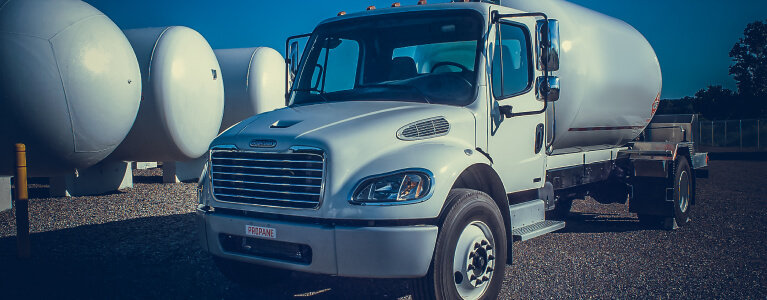
Efficiency is especially critical in mobile applications such as bobtail trucks and transports. Time spent loading and unloading directly impacts delivery capacity and profitability. Blackmer flange-mounted pumps and hydraulic drive systems streamline mobile operations by maximizing pump performance while reducing mechanical stress.
The addition of four-way valves makes it easy for operators to switch between liquid transfer and vapor recovery modes without changing the compressor’s rotation. For bobtail trucks, Blackmer bypass valves and vapor return systems significantly improve pump life and overall delivery speed.
A Safer, More Sustainable Future with Blackmer
Modern LPG operations face growing pressure to reduce environmental impacts while improving safety and efficiency. Blackmer technologies are perfectly aligned with these goals.
By enabling full liquid transfer and vapor recovery, Blackmer compressors eliminate the need to vent harmful vapors into the atmosphere. Their rugged construction and carefully engineered system designs minimize leak points, reducing the risk of incidents. Combined, these factors help operators not only meet regulatory standards but also build reputations as safe and responsible energy providers.
Conclusion: Confidence in Every Transfer
When it comes to transferring LPG safely and efficiently, every component matters—from the choice of pump and compressor to the overall system design. Blackmer delivers on all fronts, offering equipment that is not just built for the unique demands of LPG but is backed by decades of application expertise and customer support.
By partnering with Blackmer, operators gain more than just reliable equipment; they gain a pathway to safer, more efficient and more profitable LPG operations. Whether you’re upgrading an existing system or designing a new one from scratch, Blackmer offers the performance and peace of mind you need to succeed.
Sponsored Content By
Learn More From Blackmer, Inc.
Explore innovative solutions and propane transfer technologies at psgdover.com.
Visit Website →
About Blackmer, Inc.
Blackmer is dedicated to providing innovative, reliable solutions for the propane and LPG industry. Its portfolio of advanced pumping technologies is backed by decades of engineering expertise, a commitment to performance and safety, and responsive customer support.