


EIA: 2026-27 winter propane expenditures expected to fall
Homeowners keeping warm this winter by fueling their heating systems with propane or natural gas are getting some good news as temperatures dip – they will have lower household energy expenditures compared to last winter, according to the U.S. Energy Information Administration (EIA).
Owing primarily to lower fuel costs, these propane- and natural gas-fueled households – numbering about half of all U.S. households – will pay 3 percent and 9 percent less, respectively, under EIA’s base forecast this winter compared to last winter. Households using electricity or heating oil will pay more – up 4 percent and 21 percent, respectively, due to higher prices for those energy sources, EIA reports. The large jump up in heating oil expenditures is the result of increasing global crude oil and distillate prices that have taken hold during the U.S.-Iran war.
While propane expenditures are expected to be slightly lower this year overall, with U.S. households paying $1,246 on average from November to March, those in the Northeast will see a significant drop (of 15 percent) compared to the previous winter. This is driven by decreasing consumption and lower prices after a record 2025-26 winter in parts of the region, the EIA says. Households in the Northeast are expected to pay $1,687 on average this winter.
While the EIA expects national average temperatures to be similar to last winter, its forecast assumes warmer temperatures in the Northeast after a cold 2025-26 winter and much colder temperatures in the West following a warm winter. It expects temperatures in the Midwest and South to be similar to last winter.
The estimates are part of EIA’s annual Winter Fuels Outlook for the four most common U.S. residential space heating fuels. EIA says its expectations for energy expenditures – based on price and weather forecasts from the October edition of its Short-Term Energy Outlook – vary due to diverging trends in energy prices among fuels and regional variation in forecast temperatures.
The forecast comes as the National Oceanic and Atmospheric Administration identified a strong El Nino pattern for this winter. EIA says this could lead to large temperature variations from its forecast.
Related Articles
Industry leaders share what the propane industry can learn from winter 2026
Regional hours-of-service waiver period for truck drivers reverts to 30 days
You May Also Like
-
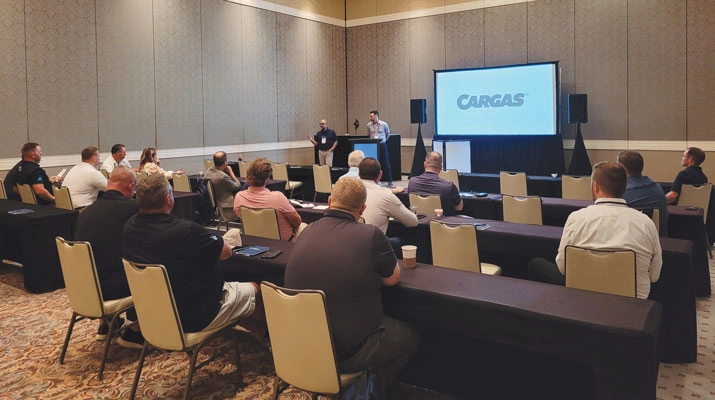
2026 LP Gas Growth Summit: Meet the partners
Oct 9, 2026


About the Author: Brian Richesson
Brian Richesson is the editor in chief of LP Gas Magazine. Contact him at brichesson@northcoastmedia.net or 216-706-3748.


Subscribe to LP Gas
If you enjoyed this article, subscribe to LP Gas to receive more articles just like it.