

Propane marketers can win school bus business by countering misinformation
A handful of special interest groups in Minnesota want school district transportation decision-makers to believe that one of the biggest trends in the state today is vehicle electrification. We understand that this is common in many states.
Which is too bad, but in an offhand way, this creates an opportunity for propane marketers nationwide to grow gallons. The reality here in Minnesota is that only a small group of school districts have been able to adopt electric buses – for several reasons. Insurmountable cost is a big one, but so are vehicle performance, range anxiety and other factors, like grid reliability.
According to the most recent numbers, just 19 Minnesota school districts have adopted electric buses (doing so only through massive public grants and an army of third-party technical assistance organizations). There are about 20 more districts that have been awarded funding – and are still waiting for their new buses to arrive.
Ask yourself: Is this the same in my state? Is the predominant belief that school districts only have two options – diesel buses, which everyone knows are smoky and unhealthy, or electric buses, which come with their own aforementioned issues?

Why can’t marketers play a role in establishing the third, and we feel, most effective option, being propane autogas buses? They can do so effectively if they understand that the biggest challenge will be battling misinformation, misperceptions and outright false statements about propane buses and fueling.
When speaking with school district personnel – be it transportation supervisors, administrative staff, board members, mechanics or even drivers – it’s important to realize their concerns are real to them. Dismissing those concerns doesn’t serve anyone. Once you understand where the skepticism comes from, you can meet it with facts.
But the most effective way to change perceptions is to get people in front of the equipment. Take a propane autogas dispenser, for example. Familiarity does what the facts alone often can’t. After fueling a propane bus for the first time, the usual response is simple: “That was easy.”
Remember, too, that it’s one thing to be an autogas supplier, but quite another to be an ongoing partner. Being there for the first fill and also when a question comes up six months later is not only good business; it’s when you become an integral part of that organization’s functionality. Relationships matter as much as anything else you can provide, including fuel.
A major misconception is return on investment (ROI). This misonception often keeps districts from taking a fresh look at a fuel and fueling technology that has changed substantially. Consider that propane – the fuel itself – hasn’t changed. What has changed is everything around it. The equipment is more efficient, easier to operate and more reliable than it was even 10 years ago. And when the customer understands the full ROI picture, from fuel cost at commercial volume, lower maintenance expenses and less vehicle downtime to longer asset life and a better day-to-day experience, propane competes very differently than a simple pump-price comparison suggests.
You can be sure that school districts that run the full analysis and rely on the partnership of a propane marketer don’t regret the decision.
Back to Minnesota. If we zoom out, we can see a more prominent trend: The state is already on its way to cleaner air without the rigamarole of electrification. There are currently 1,110 propane autogas school buses transporting thousands of students across 69 rural, suburban and urban school districts. In fact, Minnesota has the highest number of propane school buses throughout the entire Midwest. For example, St. Louis County Schools in Virginia, Minnesota, has operated a diverse fleet of buses that includes propane models we’ve run for 10 years.
What about your state? You don’t need a ton of research to find the answer. Contact your state or regional propane gas association (ours is the Minnesota Propane Association) or, better yet, contact the Propane Education & Research Council, which can provide that information along with other resources to help you make your case.
It takes work, of course, but that can go a long way toward opening a new business front and growing gallons.
Think, too, about local, state and regional conditions. For example, propane has long been used for agricultural purposes and is widely available across Minnesota. That includes areas where electric charging infrastructure constraints exist or grid capacity is limited. Because propane is transported and stored independently of the electric grid, it provides energy redundancy during power outages, something every school district should take seriously.
There’s certainly a place for electric buses in Minnesota. But for school districts that can’t afford such a radical investment of time and resources, propane autogas school buses continue to be an affordable, clean alternative to diesel.
Really, it’s just a matter of getting the word out and being an effective partner. The gallons will grow organically.
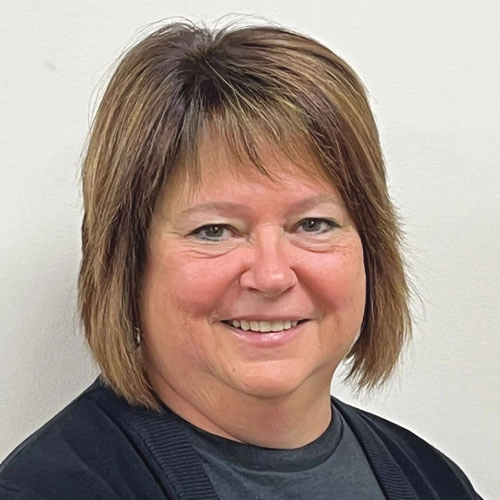
Kay Cornelius is the director of transportation, Independent School District 2142, in Virginia, Minnesota. Brian Raygor is the national autogas business manager for Ferrellgas.
Featured homepage image: Shutter2U/iStock / Getty Images Plus/Getty Images
Related articles
What success really looks like in the propane industry
Electrification and the future of energy security
Propane powers new opportunities for agricultural irrigation
You May Also Like
-
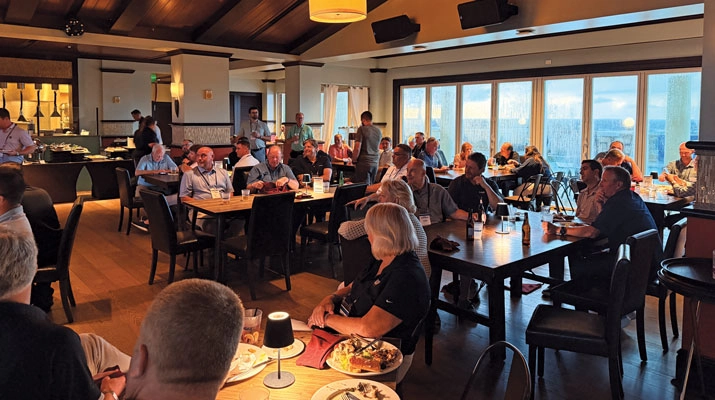
2026 LP Gas Growth Summit: Take a look inside
Oct 28, 2026 -

PPC agrees to sell EDP to Platinum Equity
Oct 28, 2026



Subscribe to LP Gas
If you enjoyed this article, subscribe to LP Gas to receive more articles just like it.