

LPG highlighted as decarbonization solution in Lloyd Register’s maritime report
In its latest Fuel for Thought report, Lloyd’s Register sets out how liquefied petroleum gas (LPG) can support the maritime sector’s transition to lower-carbon propulsion with immediate, scalable impact. This was produced jointly with the World Liquid Gas Association (WLGA).
With more than 1,600 LPG carriers already in operation and a mature global supply chain supported by over 1,000 storage facilities and terminals, LPG combines mature technology, global availability and established infrastructure as well as a practical and credible pathway to lower-emission shipping.
“LPG has become one of the most widely adopted alternative marine fuels globally in the gas carriers segment,” Nikos Xydas, WLGA’s technical director, says. “Whether for the world’s largest ships or for the smallest outboard motors, LPG offers a low-carbon, low-emissions and cost-effective fuel today and a credible long-term pathway in the future with drop-in renewable LPG and renewable dimethyl ether into existing fuel systems, for a future-ready solution.”
The report says LPG can deliver environmental benefits compared with conventional marine fuels. Fossil LPG emits around 97 percent less sulphur oxides, 90 percent less particulate matter and approximately 20 percent less carbon dioxide than heavy fuel oil. Comparatively, lifecycle greenhouse gas emissions can be reduced by 17 percent with marine gas oil.
With a lower carbon-to-hydrogen ratio, the fuel also offers a viable route to improving compliance with measures such as EEXI, CII and regional regulations, including EU ETS and FuelEU Maritime.
The report shares that LPG has already proven itself in service. Dual-fuel LPG propulsion is well established in the gas carrier segment, with a growing fleet and strong orderbook. However, there is significant potential for adoption across container ships, bulk carriers and other vessel types due to gas carriers currently only accounting for a small share of global shipping emissions.
LPG presents a compelling commercial proposition for shipowners seeking cost-effective decarbonization solutions beyond its environmental performance. The report also highlighted the strong market fundamentals supporting a wider uptake. Global seaborne LPG trade reached a record 145 million tons in 2025 and is expected to continue growing.
At the same time, around 500 global LPG terminals could potentially become LPG bunkering points for non-gas carriers as well, with minimal new investment to help address one of the key barriers facing alternative fuel adoption.
Looking ahead, the report emphasizes that LPG’s long-term role will be shaped by the growth of renewable production. The report also highlights the potential to pair LPG with onboard carbon capture systems, further reducing emissions and extending vessel lifespans. Combined LPG propulsion with carbon capture could deliver significant cost benefits. Benefits include reduced carbon pricing exposure and lower onboard storage requirements due to already lower CO2 emissions.
“Shipowners are under increasing pressure to take action now, not in 10 or 15 years’ time,” says Constantinos Chaelis, global gas segment director with Lloyd’s Register. “What this report shows is that LPG is not a future concept; it is a fuel that can be deployed today, at scale, with proven technology and existing supply chains. That makes it one of the most pragmatic options for operators looking to cut emissions while managing cost and regulatory risk.”
Barriers remain because the regulatory framework for LPG bunkering is still developing and engine options, specifically beyond two-stroke applications, are not fully mature yet. The report suggests that wider adoption will depend on how quickly these technical and regulatory gaps are addressed.
Featured homepage image: Suriyapong Thongsawang/iStock/Getty Images Plus/Getty Images
Related articles
WLGA accelerates clean cooking at Sub-Saharan Africa LPG Expo
Propane tank refurbishment moves from cleanup job to fleet strategy for propane marketers
You May Also Like
-
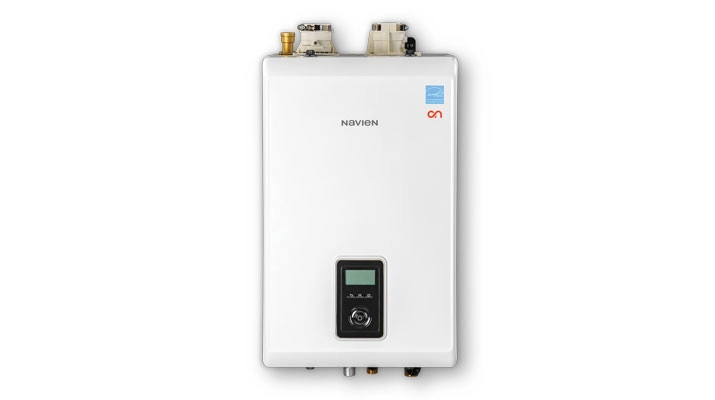
Navien launches NCB700 condensing combi-boiler
Nov 12, 2026




Subscribe to LP Gas
If you enjoyed this article, subscribe to LP Gas to receive more articles just like it.