

Reminiscing about the NPGA Southeastern & International Propane Expo
I’m taking a point of personal privilege this month.
I will be on the verge of retirement by the time you read this. I’ll be at the National Propane Gas Association’s (NPGA) Southeastern & International Propane Expo in April in Nashville, Tennessee, and would love to greet you one more time while we’re there. Then, at the end of that month, I’ll be retired.

Since this issue of LP Gas is featuring a preview of the Southeastern show, I’m going to think back on the years I attended. I’ll also tie in the NPGA Technology, Standards & Safety (TS&S) Committee meetings. These two events, held three times a year, are some of the most meaningful times for me and for networking with some of the people who get things done in the propane industry.
It’s been a pleasure to sit with these folks to brainstorm through problems and incidents, haggle over the best way to propose a code change, learn about new technologies, discuss existing products, get involved in some learning sessions or take an extra day to go for a walk in the wilderness.
My first Southeastern show was in Atlanta at the Apparel Mart in 1995. Being fairly new to the propane industry, I was blown away by the myriad of products on display and the people attending. It was also fascinating to watch how they got the bobtails into the building on that rickety-looking wooden ramp.
I was almost always involved in the first afternoon learning sessions, a day before the show floor opened, usually set up by Chuck Brandon or Bruce Swiecicki. Sometimes I would speak about something or be part of a panel.
Some of the hospitality rooms were spectacular. I particularly remember Cavagna’s receptions, which eventually were held at the Georgia Aquarium.
One learning opportunity was held off-site. Several of us loaded onto a bus to visit a bulk plant where Squibb Taylor was going to show us how its bulkhead breakaway device functioned. That’s the Expo at its best.
The progression of moving the Southeastern show to the Georgia World Congress Center (GWCC), with a hiccup after a tornado at the site and moving us to the other side of the GWCC, and then to Nashville and Charlotte, North Carolina, added more interest.
The educational sessions became more numerous, covering many more topics. Also, there were great opportunities for unofficial evening gatherings in interesting venues.
The TS&S Committee meetings, held twice a year in interesting places, involve a society of interested experts in their respective fields. The marketers, suppliers, manufacturers, enforcers and consultants gather to revise industry codes and create a safer environment for employees and customers. And they’re dedicated.
I remember spending quality time with Sam McTier and Arnold Simpkins in impromptu evening meetings as we tried to hash out the wording for new requirements, such as the device or method to keep debris out of the bulkhead back-flow check valve.
My job description includes a unique requirement for me to participate as an advisory member of the TS&S Committee. This position has “forced” me to attend meetings when the state budget was a wreck and most travel was halted. The budget stopped me once or twice, but I was able to attend both meetings in Cancún, Mexico, even when my boss said it wasn’t going to happen.
Participating in TS&S provided some valuable input for me in the way the industry sees code requirements. Most of the work is performed in task force meetings. These task forces are created when someone writes a docket request suggesting that a certain topic needs attention or a requirement in the code could be improved. I became a docket request wizard. If the inspectors or I had a question about how a certain requirement was perceived or I wanted to “float a [proverbial] test balloon,” I would write a docket request. They were almost always assigned to a newly formed task force, and we had our meeting.
It wasn’t common, but there were times when the task force immediately decided that the code language was clear and needed no improvement or that a certain idea was outlandish. They might vote to close the docket in the first meeting. I was not offended. I garnered valuable information from these one-and-done sessions.
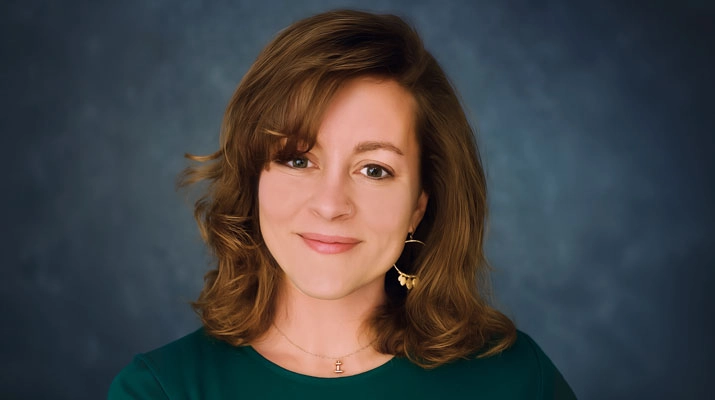
Richard Fredenburg is an LP gas engineer at the North Carolina Department of Agriculture and Consumer Services, Standards Division. He is also a member of NFPA’s Technical Committee on LP Gases. Contact him at richard.fredenburg@ncagr.gov or 984-236-4752.
NOTE: The opinions and viewpoints expressed herein are solely the author’s and should in no way be interpreted as those of LP Gas magazine or any of its staff members.
Featured homepage image by LP Gas Staff
Related Articles
Protecting underground tanks with impressed current cathodic protection
Avoid issues with wheel stops and temperature correction
What the LP Gas Code says about installing, testing cathodic protection systems
You May Also Like





Subscribe to LP Gas
If you enjoyed this article, subscribe to LP Gas to receive more articles just like it.