


Well-insulated propane market feels effects of US-Iran conflict
Propane fundamentals – high inventories and low prices – favored propane marketers for much of the 2025-26 winter. A geopolitical event to close the heating season, however, could prove to have the biggest impact on the market.
The longer the conflict between the United States and Iran, the greater the likelihood that the propane market will undergo changes, according to Mark Rachal of Cost Management Solutions.
As of mid-March, however, the war was having only a moderate direct impact. Due to high U.S. propane inventories (29.1 million barrels, or 67.2 percent, higher than year-ago levels) and strong production, propane prices were lagging the sharp run-up in the price of other energy sources, most notably crude.
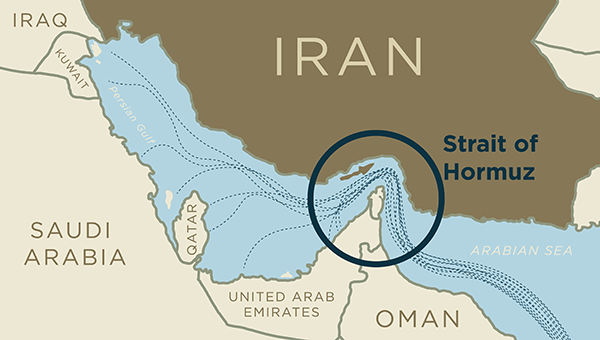
From an energy standpoint, the biggest impact of the conflict has been the closing of the Strait of Hormuz off the southern coast of Iran, Rachal writes in the weekly Trader’s Corner newsletter. The narrow, highly congested passage of about 25 miles is a popular route for global energy exports, including about 20 percent of the global crude supply.
“The threat of potential attacks on the Strait of Hormuz as Iran responds to U.S. attacks has really slowed down vessels through the strait,” says Patrick De Haan, a petroleum analyst who appeared on a PDI Technologies webinar about the conflict in Iran and its impact on global oil markets.
“A lot of countries rely on this waterway to get the oil and natural gas to the market,” he adds. “That’s been the focus lately – the uncertainty of how Iran has responded to U.S. attacks.”
The supply disruptions and the resulting rise in global energy prices, Rachal warned, would raise the cost of propane as the world turned to the United States, rich in oil and gas production, for supply. As LP Gas went to press, the propane market was feeling that upward price pressure, as he expected U.S. exports to kick into high gear.
“We should expect higher propane prices to continue until ships loaded with crude and LNG are once again moving through the Strait of Hormuz,” Rachal writes in March. “That crude and LNG in those ships contain propane, and until it can be moved to a place where it can be processed, it will be lost to the global market.”
You May Also Like
-

ThompsonGas acquires Dixie LP Gas and Gas Heat
Oct 22, 2026





Subscribe to LP Gas
If you enjoyed this article, subscribe to LP Gas to receive more articles just like it.