


Before tagging cylinders with RFID, define what a trustworthy count looks like
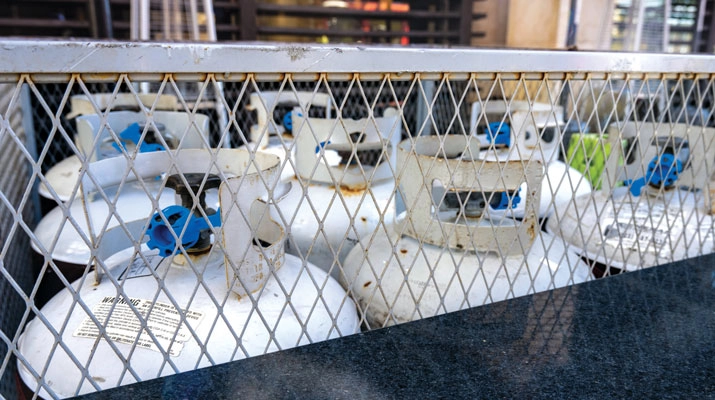
Suppose a truck is loaded and the electronic cylinder count matches the dispatch record. That should be a relief. Then someone spots the problem: One cylinder on the truck was missed, while another beside the loading lane was counted.
The total is right. The load record is wrong. Someone must find the discrepancy, check the cylinders and correct the record before the team can trust it.

For a propane marketer considering radio frequency identification (RFID), that possibility gets to the heart of the investment. A small battery-less electronic tag attached to each cylinder carries a unique ID that a handheld or fixed reader can detect using radio waves, without scanning each cylinder’s barcode. The attraction is easy to understand, especially when counting interrupts loading. The harder question is how much checking remains afterward.
Determining whether cylinder tagging makes sense for a propane marketer starts with the employee who must check whether the record matches the load.
That employee can show where time goes today: moving a cylinder to reach its barcode, checking a load again or walking back into the yard to settle a discrepancy. Timing those tasks gives an RFID trial something meaningful to beat.
It also helps determine the setup. A handheld reader may fit stock checks and finding a missed cylinder. A fixed reader may suit loads moving through a regular dispatch or return point. If either approach requires extra unloading or rearranging, the team has gained another task.
Looking again at our hypothetical truck, identifying each propane cylinder would reveal what the matching total concealed. The system needs to assign those identities to the correct load, handle repeated readings of the same tag and flag missing cylinders. Employees then need a practical way to resolve the mismatch.
On the return side, the record has another limit. A confirmed return read can record that a cylinder is back in the yard. It does not establish that it has been inspected, filled or cleared for dispatch. Those steps need their own records. Otherwise, the next person may be working from an assumption the reader never confirmed.
In one cylinder evaluation, a company reported that the reader could detect a tag from far enough away for the task. The remaining concern was how reliably the tag stayed fastened to the cylinder during normal handling. That feedback puts the selection in perspective: Longer reading range would not fix a tag that could come loose.
A useful trial follows cylinders through ordinary handling, with their usual surfaces, stacking and positions. Known loads make it possible to compare the cylinders actually moved with those recorded. Missed cylinders, nearby stock picked up by the reader, detached tags and manual retries all belong in the results.
The decisive measure is the time employees spend getting to a record they can trust. A fast count followed by a full recount leaves the original frustration intact. Acceptable error levels and correction time should be agreed before testing, then checked on busy shifts.
That gives the investment decision a firmer basis. The comparison includes equipment, software, tagging and replacement costs, alongside the work saved or added. A setup that still needs too much checking needs adjustment before expansion.
Bring your cylinder types, loading arrangements and the counting task you want to improve to a tagging supplier or integration partner. The goal is to let the yard team finish the count and get on with the next job, confident that the record matches the load.
Michel Gillmann is co-founder and chief marketing officer at Xerafy. He works with engineering teams and integration partners on RFID tagging for industrial assets, including cylinders. For more information, contact Gillmann at michel.gillmann@xerafy.com.
Related articles
Propane marketers can win school bus business by countering misinformation
You May Also Like






Subscribe to LP Gas
If you enjoyed this article, subscribe to LP Gas to receive more articles just like it.