


Truck manufacturers highlight key changes impacting propane fleets
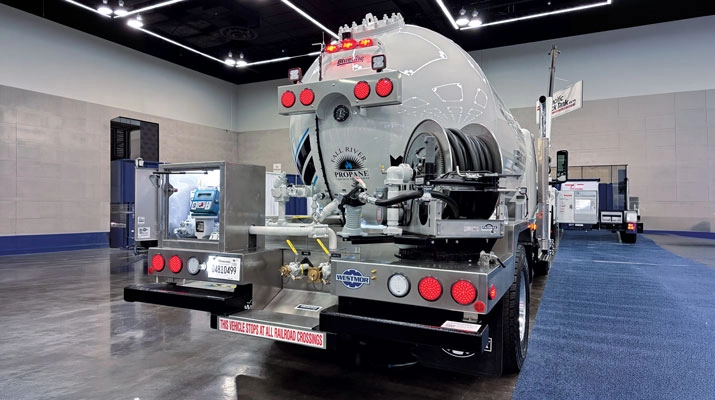
LP Gas asked truck manufacturers and service providers to share their thoughts on new developments, trends and information for propane marketers. Here’s what White River Distributors and Westmor Industries told us.
▶ White River Distributors
What is White River sharing with propane marketers in 2026?
White River Distributors is now accepting trade-ins again – making it easy to upgrade fleets. Our custom-built propane bobtails are designed for reliability, safety and efficiency. No matter where marketers are, we offer nationwide delivery to keep their businesses moving. Plus, with our financing partners, getting behind the wheel of a new or upgraded unit has never been more accessible.
Are there any new developments/trends in the trucking space?
Cummins has announced it will discontinue the L9 engine, with production transitioning to the new X10 beginning in January 2027. As a result, all chassis equipped with Cummins engines are expected to see immediate price increases of 10 percent to 12 percent. In addition, factory-build slots for the 2026 model year are already filling up quickly, limiting availability.
To support customers, White River Distributors has proactively secured a limited inventory of International, Freightliner and Peterbilt chassis equipped with the proven L9 engine. These units offer an opportunity to avoid upcoming cost increases while maintaining a trusted platform.
Availability is limited – once these chassis are sold, new orders will be subject to higher pricing. Customers are encouraged to act promptly to secure current inventory.
▶ Westmor Industries
Are there any new developments/trends in the trucking space?
The EPA’s Clean Trucks Plan, also known as EPA 2027, goes into effect in January 2027. To comply with the new regulations, most commercial trucks will be equipped with a pre-heater for the SCR (selective catalytic reduction) system. The chassis manufacturers are anticipating a price increase due to the new regulations. The anticipated increase is expected to be $7,000 to $15,000, depending on multiple factors. The biggest unknown is whether the 10-year warranty, which is currently mandated in the regulation, will be repealed or not. If the mandate is repealed as anticipated, then the price increase will likely be on the lower end of the spectrum.
Is there anything else you’d like to share with us?
The new technology has potential drawbacks. However, the regulations allow for more leniency with fault codes and failed sensors. For example, on today’s trucks, shortly after the system detects low DEF (diesel exhaust fluid) levels or faulty sensors, the truck will derate. Trucks that are built in 2027 and beyond may have the potential for less downtime.
Related articles
How propane retailers prepare their fleets for winter reliability
The growing role of vehicle cameras in propane fleet safety
Know the refueling options available to your autogas fleet vehicle customers
You May Also Like







Subscribe to LP Gas
If you enjoyed this article, subscribe to LP Gas to receive more articles just like it.