


How propane retailers prepare their fleets for winter reliability
The winter heating season has ended, and the snow has stopped flying. OK, well, maybe it never began in parts of the mild West this past season.
No matter, propane retailers must always prepare their fleets to make reliable deliveries to customers, before the temperature starts to drop again.
Because, as retailers know, trucks need that extra attention due to increased wear from cold temperatures and heavy use over the course of a winter.
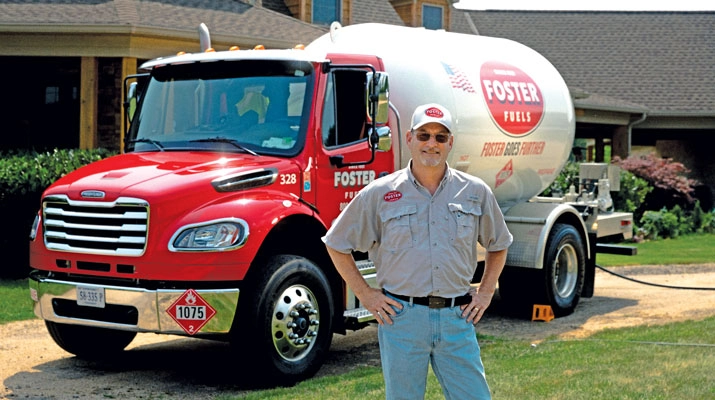
“Our process for preparing trucks for the next winter starts with a thorough evaluation of each vehicle’s condition,” shares Lindie Forbes, senior vice president of propane at Foster Fuels in Brookneal, Virginia.
“Multi-point inspections are performed to identify maintenance items and to look for damaged components,” she says. “We also make sure all services are caught up. Addressing issues early helps minimize downtime, control costs, and ensures the fleet is reliable and ready before winter demand increases.”
Foster Fuels completes much of its maintenance and service work in-house, outsourcing only when necessary, Forbes says. And that’s no light task either, as the company operates 490 assets, including 29 bobtails, 31 service trucks, 12 propane 8,500-gallon trailers, 54 oil trailers, 105 stretched tank wagons and 42 road tractors.
“Our mechanics approach this process with a high level of care and professionalism, dedicating the time required to ensure the fleet is maintained to the highest safety standards for our drivers,” Forbes says.
▶ Detail-oriented
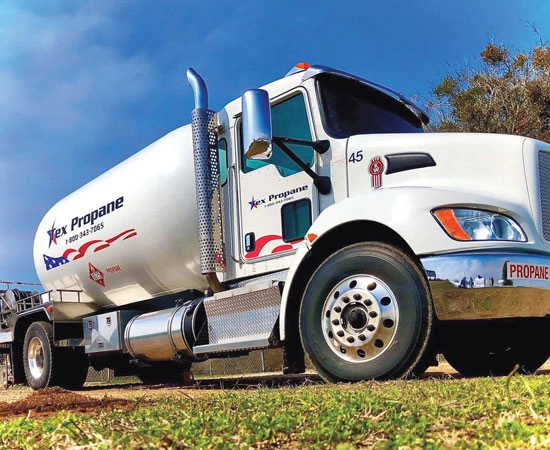
Johnny Kuehn of Tex Propane Moulton in Moulton, Texas, works off a detailed checklist of truck-restoring tasks. The company’s fleet is composed of three 5,000-gallon tandem axle delivery trucks, 11 3,000-to-3,499-gallon delivery trucks, six service trucks and five crane trucks.
It starts with a deep cleaning of the interior, exterior, storage boxes and toolbox, and it continues with a detailed inspection.
“This is when you catch what winter tried to break,” he says.
Kuehn’s inspection protocol involves checking frames and bodies for rust or corrosion, inspecting brake systems, looking over suspension and steering, examining tanks, hoses, valves and seals for cracks or leaks, and replacing faded labels and decals.
Detailed inspection is followed by regular maintenance – replacing filters, servicing the engine, checking and topping off fluids and lubricating moving parts.
Finally, Kuehn says, it’s important to plan properly – with parts inventory ahead of next winter – and schedule major repairs or upgrades during the offseason.
When it comes to truck readiness, he says, ensure the truck is stocked, organized and ready to go for the busy season. That includes having the proper in-cab paperwork.
“We always want to have everything in order and in its proper location,” he says.
Asked to identify the parts of the truck that require the most attention following winter, retailers cite brakes, tires, suspension, joints on the driveshaft and to the pump, delivery hoses, as well as lights and reflectors.
“We monitor aftertreatment ash load during services to determine if diesel particulate filters need to be removed for service, which helps prevent performance issues and unexpected downtime,” Forbes says.
▶ Safety and more
Not lost in retailers’ processes to prepare their trucks for winter is the impact that well-maintained vehicles have on propane industry safety.
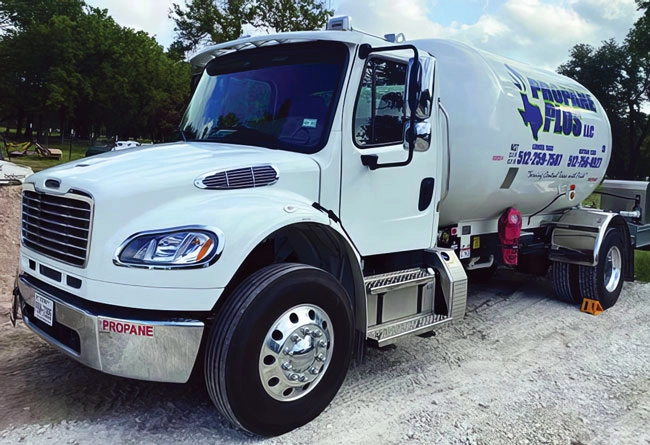
“Making sure all vehicles in the fleet are up to date, safe and ready for the next winter” is among the biggest considerations for Cody Woods at Propane Plus in Leander, Texas, where the company operates seven bobtails, three crane trucks and one service truck.
“At its simplest, it comes down to essentials like wheel chocks, wiper blades and washer fluid,” Forbes says when asked about safety. “We also replace brakes and tires before they reach the FMCSA minimum thicknesses to reduce downtime and violations.”
Additionally, she adds, Foster Fuels performs state inspections and VK/IP inspections outside the heating season, so they don’t expire during peak winter operations.
“Be sure inspections are current, and verify safety equipment and compliance,” Kuehn echoes.
Propane retailers should also keep employee training and certification top of mind as they prepare trucks during the offseason, Kuehn says.
“Anyone handling propane needs proper training,” he explains. “This includes safe connection/disconnection, emergency response and recognizing hazards.”
As much time and effort as propane retailers put into preparing their trucks for the winter, sometimes other key decisions are made regarding the fleet.
“We have usually ordered one to two new vehicles over the winter to be ready during the summer, so we can then sell the older models,” Woods says.
Related articles
Industry leaders share what the propane industry can learn from winter 2026
Feast or famine: A winter of extremes for propane marketers
Help arrives for Mississippi communities after Winter Storm Fern
You May Also Like







Subscribe to LP Gas
If you enjoyed this article, subscribe to LP Gas to receive more articles just like it.