


Creating safer workplaces through mental health awareness
Four industry leaders speak with LP Gas about how they approach mental health in their organizations.
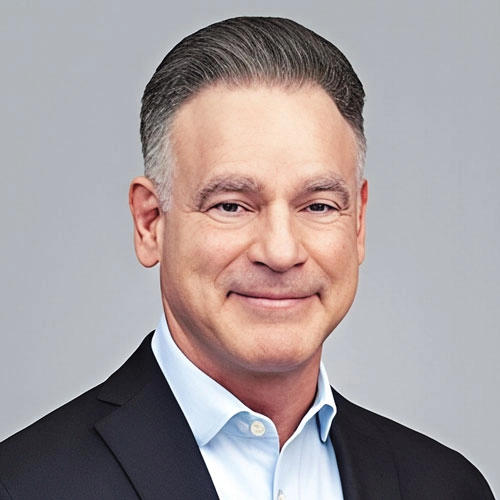
Michael Sharp, president, AmeriGas
“Safety is No. 1. And we talk about safety as the foundation of AmeriGas. What we do is very important. It’s a very important job. We’re helping people take care of their families, run their businesses, heat their homes, cook their food – so extremely important. But it’s not so important that I want to get anyone injured or worse – or have a negative impact on somebody’s mental health. And our drivers and our techs, they work long hours; they work in inclement weather; they go through a lot, and there’s a lot of stress. And we’re really letting them know that there are resources for them to take care of themselves. And as far as safety goes, if it’s something [where] they feel unsafe, they have the ability to say ‘no’ or stop, and everybody knows that in AmeriGas. Again, what we do is extremely important, but it’s not so important that I want to get anyone injured or negatively impact their mental health. … Your first obligation is to yourself, but also, you have an obligation to your team and others. And AmeriGas, I do feel, is one big family, and you may not love each other every single day or necessarily like each other every single day, but they’re still part of the family, and we need to take care of each other, and I think overall, the team does a very good job of that. [We] spend a lot of hours together, and always, to that point, be on the lookout for, ‘Does Bob seem a bit off today?’ And in having those conversations, ‘Hey, Bob, is there anything I could do for you? Anything going on? Do you need to take a break?’ Always be mindful of not only yourself but those around you each day.”

Seth Zehler, vice president of commercial, AmeriGas
“And in the winter, times get tough; times get busy. And you can’t help anyone else unless you’re first helping yourself. Like on an airplane – put your own mask on first and then help the person next to you. And as a leader, you have to pay attention to the people next to you that maybe need that mask but aren’t putting it on for themselves and say, ‘Hey, hey, calm down, you know, we can do this; we can do it together. Take a day if you need it; take the afternoon.’ Just being aware of what your employees are doing and what help they might need before, like Mike said, something bad happens. You push yourself too far, you might get hurt.”
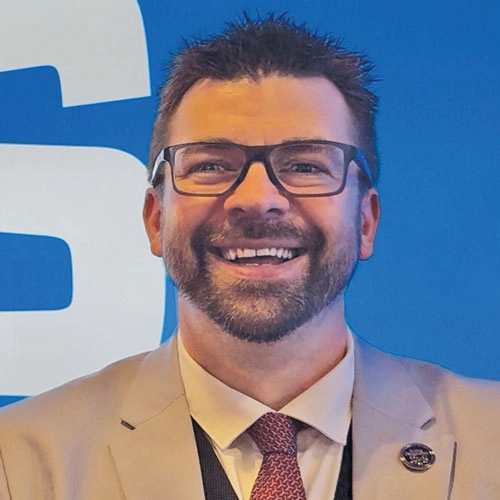
Freddie Ridler, head of business growth, Rural Computer Consultants
“I look at mental health as like being allergic to dogs. It’s not scary, and it’s OK to say that you need help with it. And mental health is an important thing. I saw it last year when I was getting calls from dispatchers saying we have so many deliveries because we had a huge arctic blast in the middle of winter, and their drivers are having driver fatigue, and then the safety went down. … What can we do as a software company to relieve some of that stress? With our company, we have 75 employees. And you can’t ignore it, because mental health – if you don’t treat it, it can create some dark places, and I’m all about talking to people and getting them to actually express what signs they had. And I’m more interested to learn from people about how they attacked it. I self-reflect a lot because I have high anxiety. Again, I might not show it, but I really do. But I know enough about what triggers cause it, and I put those in my tool belt, of like, OK, I can feel it coming. So, how do I attack that? And I have always talked to my kids about mental health; that was one thing my wife and I really always put time into our family discussions, because high school and college can be very trying for kids. They’re 18 years old, going off and living on their own. That’s crazy. I didn’t think about that when I went off to college. I just did it. But it’s not like it was 20 years ago, and with Monica and I, we always talk to them about how it’s going to get lonely; it’s going to get stressful; you’re going to feel failure; you’re going to feel like you can’t do it, and so we’ve said, ‘Let’s just practice that right now. What can you do when you get to those points?’ So I love that. I think that’s a great topic for this industry, because so many people are scared to talk about it, and it shouldn’t be like that, and I’m excited and I hope it works, because I think about all the people that this industry touches.”
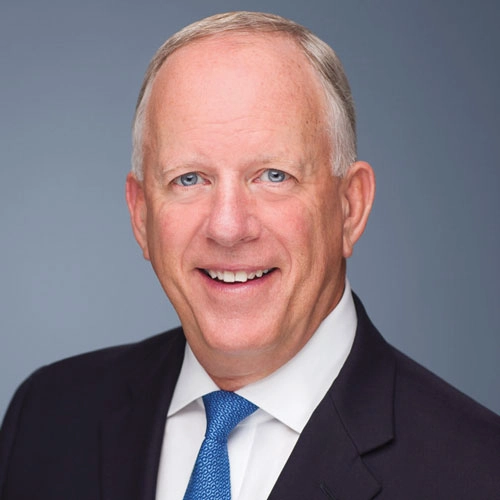
Tucker Perkins, president and CEO, Propane Education & Research Council (PERC)
“It’s sad, to a degree, that we have to have that conversation in 2026, but I think it’s a really valid point. Are your employees coming to work ready for the day in front of them, whatever their day looks like? It’s something we think about often at PERC, because you don’t have to go deep into the news cycle before you see stories of deeply troubled people who are doing horrific things, sometimes because of their state of mental health. So one, we take great pride in the benefits package we provide to our employees around physical health and mental health, and seeing that if they’re having problems at home, there’s a place they can address that, first at work with their superiors, secondly confidentially with professionals if they need it. I think a modern company probably has to have that kind of an opportunity for their employees. I would say we think a lot about the workplace environment that we ask our people to come to every day. Is it challenging? Is it challenging them in ways that they need to be challenged to grow, to be better and test themselves? We want to test people every day, but I think all owners need to say, ‘Am I creating an environment where my people feel safe, want to be there, are challenged and feel valued?’ And I love the simplicity of that. I always go back to a retailer in Texas, and he had a beautiful business, and I said, ‘How has your business grown to be so good?’ And he said, ‘We listen to what our customers say, and I work with my employees to make sure they’re happy, and it’s not much more complex than that.’ I think in today’s challenging world, we need to see that employees come to work ready to work, mentally prepared to work, that we’ve trained them to do the job that’s in front of them, but then we’re constantly supporting them in their own growth. I think when you do that, your employees reward you with work that’s maybe better than you anticipated.”
Featured homepage image: StarLineArts/iStock/Getty Images Plus/Getty Images
Related articles
Mental health leadership in the propane industry
Addressing anxiety, stress and burnout in the propane industry
You May Also Like
-
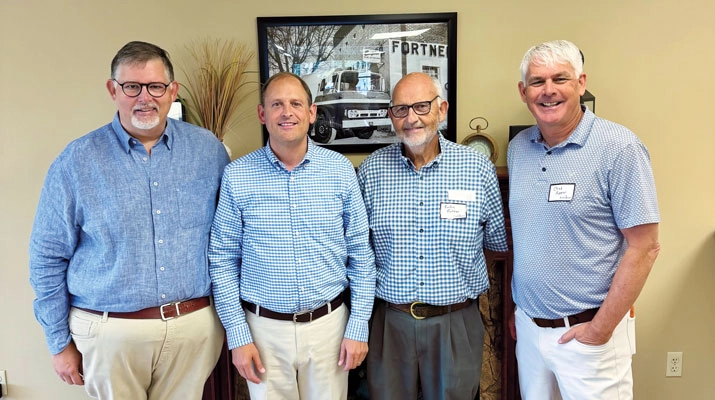
Faces & Places: September 2026
Sep 21, 2026 -
TRIARC Tank introduces square shroud
Sep 19, 2026



About the Author: Chris Markham
Chris Markham is the managing editor of LP Gas Magazine. Contact him at cmarkham@northcoastmedia.net or 216-363-7920.


Subscribe to LP Gas
If you enjoyed this article, subscribe to LP Gas to receive more articles just like it.