


Preventing propane incidents is your strongest litigation strategy
For propane marketers, installers, delivery drivers, service technicians and facility operators, the best lawsuit is the one that never has to be filed.

Propane is a safe and efficient fuel when it is stored, transported, installed and used correctly. But when systems are neglected, shortcuts are taken or warning signs are missed, a leak can become a fire or explosion in seconds. The human cost comes first; the legal cost follows close behind.
In the articles I have written over the years, much of the focus has been to take a snapshot of various areas of the industry and look at how an incident occurred that put a member of the propane industry in the thick of a lawsuit or potential lawsuit. In some cases, there was clear negligence on the part of the industry member. But in many cases, an explosion and the lawsuit that followed were not the fault of the industry member. Both situations present learning opportunities. As we approach the busy season in this industry, I thought I’d reinforce some of the basic tenets of being safe and avoiding incidents.
A strong prevention program always starts with treating NFPA 58 and 54 as the floor – not the ceiling – for safe operations. These codes set the standards for designing, installing, inspecting and operating LP gas systems. Compliance should not live in a binder on a shelf. It should show up in route procedures, customer service scripts, technician checklists, bulk plant practices and management reviews. There are many programs available in the market to provide this guidance. But you should be sure to tailor these programs to fit the needs of your operation.
Every employee who touches a cylinder, tank, delivery hose, regulator, valve, appliance connection or customer communication should understand the hazards created by overfilling, damaged fittings, improper purging, failed leak checks, blocked vents, corrosion and ignition sources. New-hire orientation is not enough. Refresher training, ride-alongs, emergency drills and supervisor observations help turn safety rules into habits. There is a code requirement to provide refresher training every three years for the area of work that an employee works in. This is a minimum. It may be prudent to provide that training more often. Hands-on training is an important tool to ensure mastery of the task being performed. Customer service representatives need to be included in training, as they often are at the point where the customer’s call about a leak is received. Getting the right safety information to the caller is critical. Getting the response team en route is critical.
Odor complaints, out-of-gas calls, interrupted service, suspected tampering, damaged piping or appliance changes should trigger leak tests that are documented. Personnel should know when to shut off supply, evacuate, eliminate ignition sources, notify emergency responders and refuse to restore service until the system has been properly evaluated. Calls from customers who smell gas should never be treated as routine service tickets. It is often said that explosions are rare, but when they do occur, they are often catastrophic. So, treat these calls as a high priority.
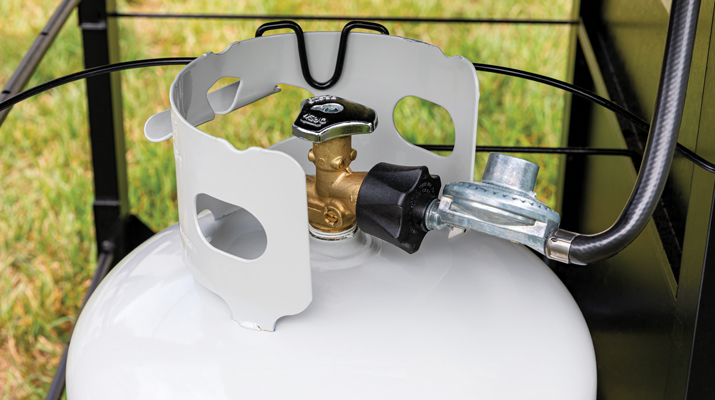
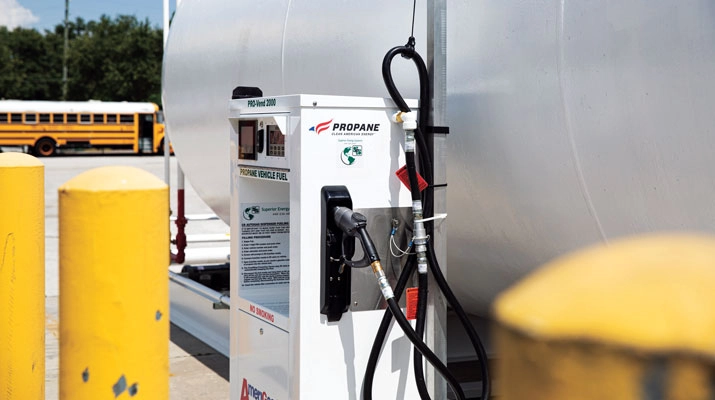
Tanks, cylinders, regulators, relief valves, piping, appliance connections, vehicle equipment, transfer hoses and dispensers should be inspected on a schedule and whenever conditions change. Look for corrosion, dents, missing caps, unstable supports, improper clearances, vegetation, vehicle impact exposure, water damage and unapproved customer modifications. A small defect noted and corrected today may prevent a catastrophic claim tomorrow. Much of this seems routine. But the routine can often be ignored and hiding in plain sight.
Document as if you will someday need to explain your decisions to a government inspector, insurer, jury or opposing lawyer. Records should show who performed the work, what was inspected, what was found, what was repaired, what warnings were given and why service was restored or withheld. Documentation does not make unsafe conduct safe, but poor documentation can make good conduct hard to prove.
The practical goal is simple: Keep propane where it belongs, keep ignition away from escaped gas and keep people out of harm’s way. The legal goal is just as important: Be able to show that your company trained its people, followed recognized standards, listened to warnings, corrected hazards and made safety decisions before an incident forced those decisions into a courtroom. In the propane industry, preventing explosions is not only good operations. It is the strongest litigation strategy you will ever have.
John V. McCoy is with McCoy, Leavitt, Laskey LLC. His firm represents industry members nationally. He can be reached at jmccoy@MLLlaw.com or at 262-522-7007.
Featured homepage image: pricelessphoto/iStock / Getty Images Plus/Getty Images
Related articles
Can ethyl mercaptan cause corrosion?
Michigan Court of Appeals reverses summary judgment in Consumers Energy gas explosion case
Why immediate response matters in propane accident investigations
You May Also Like





Subscribe to LP Gas
If you enjoyed this article, subscribe to LP Gas to receive more articles just like it.