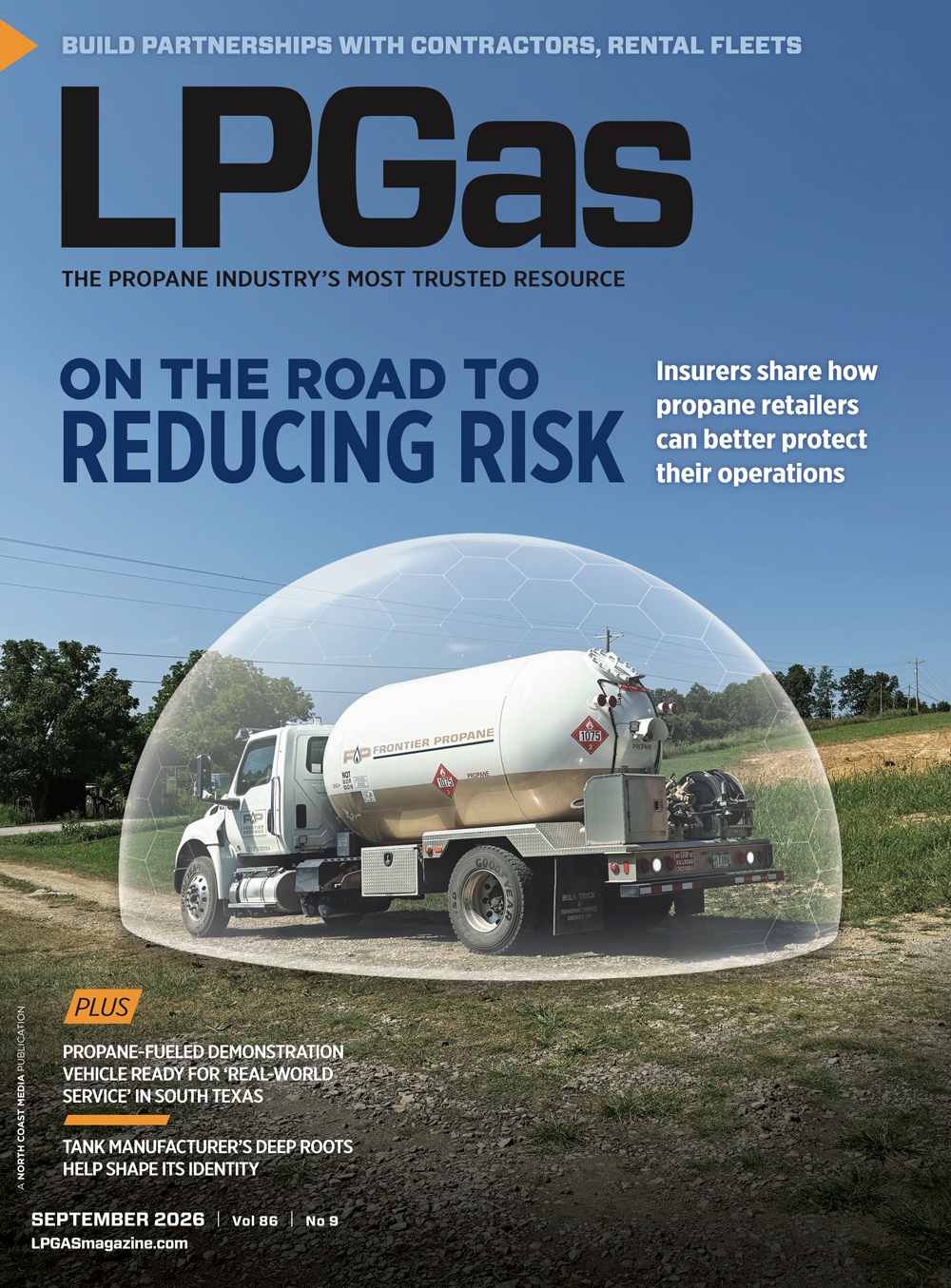


The growing role of vehicle cameras in propane fleet safety
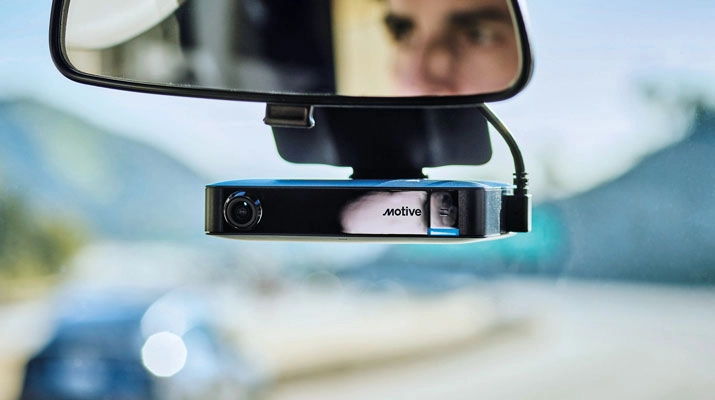
For years, those in the propane industry viewed in-vehicle cameras as optional, something nice to have as a layer of protection but not completely necessary. However, today, that mindset is shifting.
Rising insurance pressure, increasingly complex claims, distracted motorists and advances in artificial intelligence (AI) are pushing cameras from accessory to essential. In fact, many propane retailers are finding that the right system does far more than record video; it protects drivers, clarifies liability, improves operations and, in most cases, pays for itself in the long run.
Harrison Snow, president of Snow Fuel Co., a propane and heating oil retailer based in Orleans, Massachusetts, notes cameras have become a key part of his risk management strategy.
“We use the Verizon Connect system, so everything is paired with the GPS map we use to track our trucks,” he says. “We get automatic alerts for hard acceleration, hard braking and impacts. It’s been a really nice system. Before this, we had basic dash cams where you had to pull the SD card if there was an issue. Being able to take a live look into the truck now is pretty cool.”
Snow Fuel Co. operates in a highly seasonal market, where summer tourism brings an influx of unfamiliar drivers onto Cape Cod’s narrow roads.
“We deal with a lot of visitors who don’t know where they’re going, and we’d get into ‘he said, she said’ situations,” Snow shares. “Now we can pull the footage and say, ‘This is exactly what happened.’”
Roadway incidents aren’t the only use for the cameras. Snow notes they have also helped resolve other disputes.
“We’ve used it to resolve mis-delivery claims,” he shares. “If someone says we delivered to the wrong address, we can pull the footage and show the truck was right there in their driveway.”
▶ Involving insurance
Mike Dodd, owner of Propane Ninja in Plant City, Florida, sees cameras as increasingly unavoidable as insurance companies are starting to either mandate or “highly recommend” camera systems.
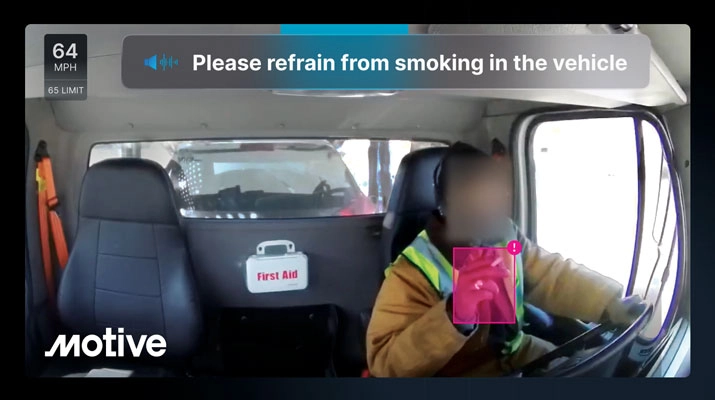
“At the very least, they want a forward-facing camera,” Dodd says. “It’s not just a camera anymore. It’s a training tool. It documents hard braking, distracted driving, texting, no seat belt. The AI integration makes it much more than just footage.”
Propane Ninja uses a system from Motive, something it went to after exploring other options previously.
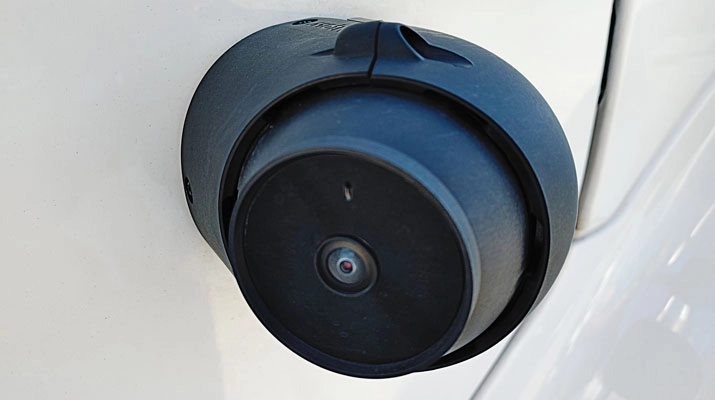
“It includes forward-facing, in-cab and side-door cameras, plus an OBD reader,” Dodd says.
The company recently experienced a clear example of the technology’s value when one of its parked trucks was sideswiped by an ambulance.
“Because of the camera system, we didn’t even need to involve our insurance company; we just presented the footage and filed directly with their insurer,” Dodd says. “By clarifying fault quickly, it makes things very definite. It helps us protect our premiums and avoid drawn-out claims.”
Snow had a similar experience, which saved the company time and money.
“We had a van that got rear-ended, and I was able to send the footage right over,” he shares. “They said the other driver was at fault, and boom, it was done. The peace of mind that comes with it is great. You’re not leaving anything up to chance anymore.”
Still, cameras cut both ways, and they can help the companies see what’s happening with their drivers as well.
“If your driver is at fault, it will show that too,” Dodd explains. “But if you’re actively coaching your drivers, the long-term benefits outweigh the short-term discomfort.”
Jonathan Malazzi, owner of Quality Propane in Clinton, Connecticut, notes that pressure from his insurance provider influenced his company’s decision to include cameras in his vehicles.
“Our insurance company was asking us to consider cameras, and we felt it would be good protection for liability issues, especially with other drivers on the road,” Malazzi says. “Our concern wasn’t really our drivers; it was the other people out there texting and driving.”
Quality Propane installed its system at the end of November after interviewing multiple vendors.
“We chose our vendor because the platform was more user friendly and their support was strong,” Malazzi says. “The cameras themselves are pretty similar across the board.”
His fleet uses AI dashboard cameras in all vehicles and rear-facing cameras on bobtails.
“We chose not to activate the driver-facing portion,” Malazzi says. “We felt it was more important to watch what’s going on in front of the truck than what the driver is doing. If you can’t trust your driver, the camera shouldn’t decide that.”
The operational impact has exceeded expectations for the company.
“It’s been amazing and so much more than we expected,” Malazzi says. “We’ve prevented runouts by tracking routes and verifying deliveries. We’ve also had multiple incidents where we were able to prove we weren’t at fault, such as a town plow hitting a mirror, a sideswipe on I-95, even someone backing into a parked vehicle.”
▶ Getting drivers to buy in
One challenge with the cameras is that driver acceptance can be sensitive, especially with in-cab cameras.
“Drivers think someone is watching them all day, but that’s not reality,” Dodd says. “At first, some even put Post-it notes over the camera. But that perception fades once they understand we’re only reviewing footage when there’s an incident or alert.”
The AI tools help streamline oversight as they can pull short clips and create alerts automatically, so he doesn’t need to dig through hours of footage.
Snow is careful not to turn cameras into a micromanagement tool and get his drivers upset.
“I trust our drivers, so we mainly use it for incident review,” he shares. “If there’s something egregious, we’ll address it, but it’s not about micromanaging.”
Malazzi believes cameras ultimately support drivers rather than undermine them.
“It’s like Big Brother looking over your shoulder, but supporting you,” he says. “It protects the driver more than it watches them. We were transparent with our drivers about why we were doing it, and we had no issues with acceptance.”
▶ Tech talk
With many systems on the market, choosing the right camera is a personal choice for each company.
The ease of implementation played a big role in Snow’s decision to go with Verizon.
“It’s a robust software and Verizon handles the installs, so everything’s saved to the cloud, and I feel like you get your money’s worth,” he says.
Gary L. Johnson, head of safety and compliance strategy at Motive, the camera manufacturer of choice for Propane Ninja, notes propane delivery has a unique mix of risk, such as hazardous materials, dense residential routes and seasonal drivers.
“Organizations operating in this industry need tools that help them manage that risk every day, not just record what happened after the fact,” he says.
He notes AI-powered systems are designed to function as an extra layer of awareness.
“Propane organizations are adopting Motive because our AI doesn’t just record video; it acts as a second set of eyes for the driver, designed to detect risks like fatigue or distraction in real time,” Johnson explains.
“For instance, with our newest device, AI Dashcam Plus, we’re bringing powerful edge AI directly into the vehicle,” he says. “The device is designed to run more than 30 AI models simultaneously and to help drivers and fleet managers act faster and prevent more collisions before they happen.”
On average, customers who used Motive’s AI Dashcam reduced collisions by 80 percent based on an internal study of those with at least 90 percent adoption for at least 12 months. The top quartile of surveyed customers also reported seeing a reduction in accident-related costs by 63 percent.
For propane fleets, compliance adds another layer of complexity to the matter.
“Propane delivery is safety-critical, so fleets need technology that’s not only reliable but highly accurate,” Johnson says. “Automating driver qualification tracking and hazmat documentation helps fleets stay audit-ready and reduce administrative burden.”
Cameras are no longer about distrust; they are about clarity.
As Snow puts it, “You’re not leaving anything up to chance anymore. It’s a winning proposition.”
Related Articles
Propane industry expectations for 2026
Roush CleanTech preps propane retailers for the autogas market
You May Also Like
-
Basin Coop acquires Inter-Mountain Propane
Sep 17, 2026 -

How to hire for safety in the propane industry
Sep 17, 2026




Subscribe to LP Gas
If you enjoyed this article, subscribe to LP Gas to receive more articles just like it.