


How propane retailers can capitalize on growing demand for energy resilience
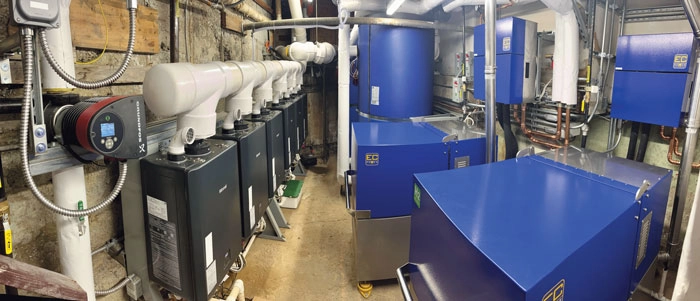
Kim Reynolds, vice president of business development for Ocean Springs, Mississippi-based Blossman Gas, says customers’ objectives vary considerably. Some want outage protection; others want to manage high utility charges or become more energy independent. Blossman supplies, installs and services equipment and has expanded its conversations to CHP and fuel cells as those technologies have matured.
“It’s definitely not one-size-fits-all,” Reynolds says. “We have to ask a lot of questions, do a good job of listening and provide options that check the boxes the customer is trying to achieve.”
Rental power offers another sizable path. Generator rental companies control a large portion of the mobile market and regularly replace aging fleets. Hill believes winning those companies’ confidence in product availability, fuel certainty, economics and emissions benefits could deliver meaningful gallon growth.
“Let’s not let them replace a diesel generator at the end of its life with another diesel unit that will run for the next seven or 10 years,” Hill says. “If we focus on that segment alone over the next five years, we’re going to grow this industry massively.”
Data centers have captured attention, yet the best opportunity will differ by retailer. Some may participate in behind-the-meter or bridge-power projects. Others can fuel towable generators used during construction. Stewart cautions that the scale, capital and geography of many data center loads will put them beyond a typical marketer’s reach.
▶ Build capabilities before selling
Retailers entering power generation need not become equipment manufacturers, but they must know which partners to call and be prepared to support the customer after the sale. That means cultivating relationships with OEMs, generator packagers, rental companies, electricians and service technicians while evaluating the storage and delivery demands created by larger, steadier loads.
Blossman’s process for new technology is deliberate. The company tests equipment internally and works alongside vendors before offering a product to customers.
“We don’t bring new technology on and immediately go to market,” Reynolds says. “Vetting it and doing internal testing is a win for us, the customer and the vendor, and it strengthens that relationship as well.”
Service is equally important. A retailer that participates in system design, installation and maintenance has more influence over the fuel decision and is better positioned to protect the relationship. Selling an appliance without a plan to maintain it can leave the customer searching for qualified help when performance matters most.
PERC is working to shorten the learning curve through its power generation resources, including an equipment directory that links marketers and customers to manufacturers, a residential generator-sizing tool, research on outages and preparedness, and a “scouting report” designed to help facility owners evaluate resilience risks and identify next steps.
The largest remaining obstacle may be the industry’s own comfort with established markets. Equipment is available, customers are concerned and manufacturers are engaging. Capturing the opportunity now depends on whether marketers are willing to initiate a different kind of energy conversation.
“The pathway is open for us,” Warner says. “Resiliency and speed of deployment are the top priorities facility owners and developers are looking at, and those attributes align with propane.”
Hill expects the result to be measured not in isolated projects but in substantial new volume.
“If we’re not moving hundreds of millions of gallons into this segment over the next five years, I would be shocked and disappointed,” Hill says. “The demand for power and the logical nature of this product make the opportunity that large.”
The industry now has a rare alignment of customer need, equipment availability and fuel capability. Retailers that study their accounts, choose a segment, build dependable partnerships and remain involved after installation can turn power generation from a hot topic into a durable gallon-growth strategy.
Related articles
An AI primer for propane retailers
How propane retailers prepare their fleets for winter reliability
You May Also Like
-
Basin Coop acquires Inter-Mountain Propane
Sep 17, 2026 -

How to hire for safety in the propane industry
Sep 17, 2026




Subscribe to LP Gas
If you enjoyed this article, subscribe to LP Gas to receive more articles just like it.