


The US-Iran war’s effects on propane: A recap
Trader’s Corner, a weekly partnership with Cost Management Solutions (CMS), analyzes propane supply and pricing trends. This week, we look back at recent reporting from Mark Rachal, director of research and publications for CMS, and LP GasEditor-in-Chief Brian Richesson on the conflict between the United States and Iran. Keep in mind this is a developing situation. This report reflects the events through April 17.
Catch up on last week’s Trader’s Corner here: US propane production reaches over 3 million bpd
Since the April 7 ceasefire, the conflict between the United States and Iran has cooled down, and so has its impact on the propane market. While there are still tensions surrounding the Strait of Hormuz, as the United States and Iran engage in negotiations, we wanted to recap our recent reporting on the war.
Impacts of US-Iran conflict on propane market
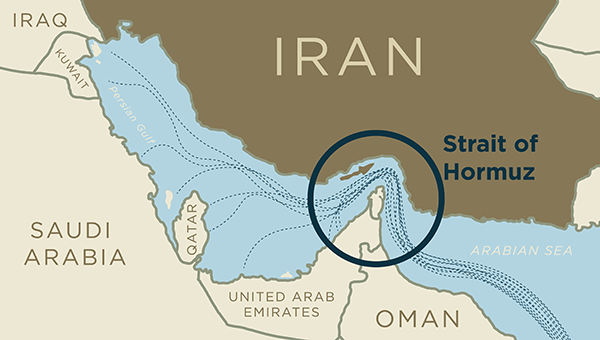
Operation Epic Fury, led by the coalition of the United States and Israel against Iran, began on Feb. 28. From an energy standpoint, the biggest impact of the conflict was the closing of the Strait of Hormuz off the southern coast of Iran. The Strait of Hormuz is a narrow passage of about 25 miles for deep draft ships. While the strait was not technically closed, it was not being used because Iran still could have attacked shipping that tried to run through it.
Closing of Strait of Hormuz impacts energy exports
A small sliver of water off the southern coast of Iran became the center of the energy universe.
Before Feb. 28, when the United States began Operation Epic Fury and Israel began Operation Roaring Lion against Iran, around 20 percent of the world’s crude supply traversed the narrow Strait of Hormuz connecting the Persian Gulf and the Gulf of Oman. The Gulf of Oman is connected to the Arabian Sea, and from there, ships can reach the rest of the world.
After the war began, the strait was de facto closed. Shipping companies were unwilling to risk going through the strait due to the threat of being attacked by missiles, drones and possibly mines by Iran.
In addition to crude, liquefied natural gas (LNG) exports were impacted. Qatar is the world’s third-largest LNG exporter behind the United States and Australia. It accounts for about 18 percent of global LNG exports. It shut in production as it was unable to export its natural gas. Countries like Iraq and Kuwait are almost totally dependent on moving crude exports through the Strait of Hormuz.
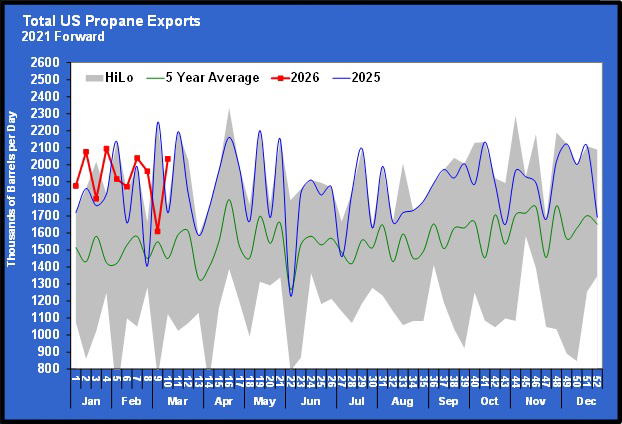
The war caused a loss of propane supply from sources in the Middle East. This supply change increased the demand for U.S. propane. Propane exports jumped, tightening U.S. supplies and putting upward pressure on prices.
Overseas markets lift US propane prices
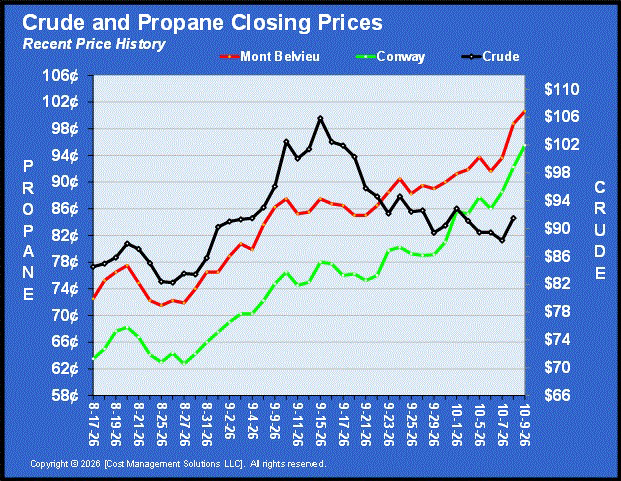
Rachal compares U.S. and overseas crude benchmarks and their impacts on propane prices. With the conflict in Iran, overseas energy demand had to rely on U.S. inventories, since supplies from the Middle East were inaccessible. Unfortunately, this lifted the price of propane in the United States as well.
US crude position in the second month of the US-Iran war
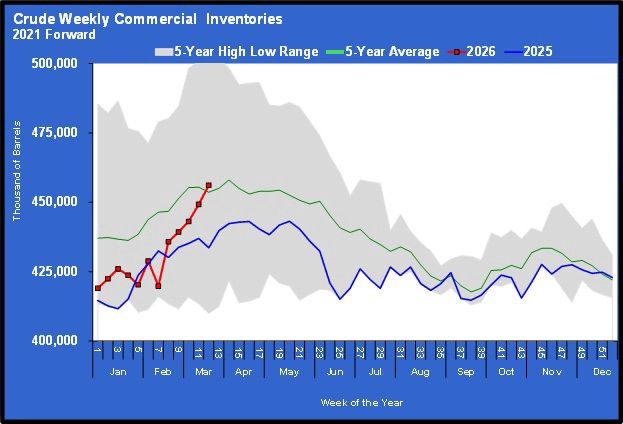
As the war entered its second month, Rachal wanted to look at the crude situation in the United States in some detail. At the time, there was still about a 15-million-bpd impact on global crude supplies. The tightness had caused global crude prices to surge. The price of WTI crude was around $60 per barrel before the war, and that had increased to around $100 per barrel. The price of Brent crude, a global benchmark, had increased even more.
Crude production declines; prices surge
Here, Rachal focused on focusing on the US-Iran war’s impacts on crude production. At the time, U.S. crude production had been declining despite high prices. Capital outlays for drilling were long-term decisions, so the decline reflected the relatively low price for crude before the U.S.-Iran war.
US propane production reaches over 3 million bpd
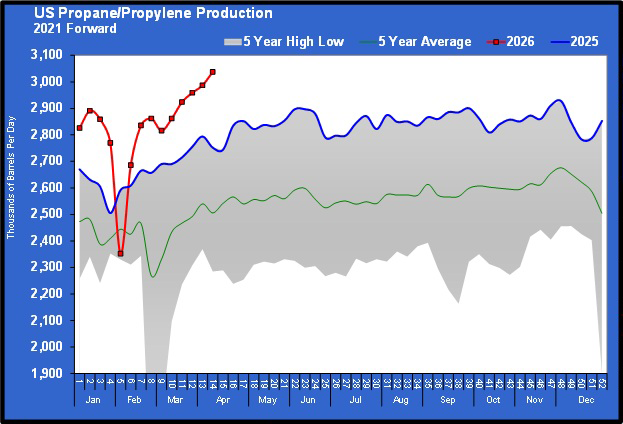
The Energy Information Administration (EIA) released its Weekly Petroleum Status Report for the week ending April 3. It showed U.S. propane production up 51,000 barrels per day (bpd) to 3.038 million bpd. It was the first time ever that U.S. propane production averaged more than 3 million bpd during a week. Rachal examined the impact of those record-high U.S. propane production numbers.
Well-insulated propane market feels effects of US-Iran conflict
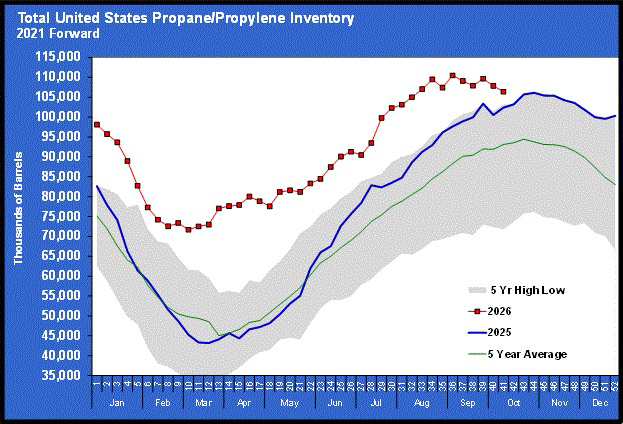
By mid-March, the war was having only a moderate direct impact. Due to high U.S. propane inventories (29.1 million barrels, or 67.2 percent, higher than year-ago levels) and strong production, propane prices were lagging the sharp run-up in the price of other energy sources, most notably crude.
“The threat of potential attacks on the Strait of Hormuz as Iran responds to U.S. attacks has really slowed down vessels through the strait,” says Patrick De Haan, a petroleum analyst who appeared on a PDI Technologies webinar about the conflict in Iran and its impact on global oil markets.
Governments, militaries and markets are eventually going to sort out this energy situation, but whatever path they take, U.S. propane should remain oversupplied with prices moving in the favor of buyers when not overwhelmed by geopolitics.
Charts courtesy of Cost Management Solutions.
To subscribe to LP Gas’ weekly Trader’s Corner e-newsletter, click here.
You May Also Like
-
Propane price spreads encourage exports
Oct 19, 2026 -
Propane prices, valuation shifting
Oct 12, 2026





Subscribe to LP Gas
If you enjoyed this article, subscribe to LP Gas to receive more articles just like it.