


Jones Act waiver opens new possibilities for propane
Catch up on last week’s Trader’s Corner here: Crude still not out of the woods
Did you know that three vessels transported propane from the U.S. mainland to Puerto Rico recently? Or that another ship sent motor fuel from the United States to Hawaii? Or that Ohio shipped fuel across the Great Lakes to Wisconsin?
None of this would have been possible under the Merchant Marine Act of 1920, also known as the Jones Act. The law mandates that only U.S.-built, -owned, -crewed and -flagged vessels can ship cargo between U.S. ports – a prospect that has proven quite difficult.
But a Trump administration waiver that runs through the middle of August has changed the dynamics of the shipping industry, especially as it relates to energy supplies. The administration issued a 60-day waiver of the Jones Act at the outset of the U.S.-Iran war, as it tried to contain rising energy costs, and it later issued a 90-day extension.

Propane industry view
The National Propane Gas Association (NPGA) has viewed the waiver, in President and CEO Stephen Kaminski’s words, as “a unique test case” for the propane industry. NPGA has tried unsuccessfully for decades to get the Jones Act waived permanently because it has hindered the efficient and strategic distribution of propane, especially during the winter heating season.
NPGA members broach the topic occasionally at its board meetings. It also came up early this year in discussions with industry members about the winter heating season, as well as during an educational session featuring state association leaders at this year’s Southeastern & International Propane Expo.
“I’ve always pushed for trying to find a way around the Jones Act, where we could just bring product up from Marcus Hook (Pennsylvania) because that would be much more immediate if we needed product in a hurry than bringing it in from the Middle East or Europe,” says Leslie Anderson, president and CEO of the Propane Gas Association of New England.
A Jones Act exemption, she adds, would help drive down the price of energy in New England, allow New Englanders to buy American-produced propane, thus increasing energy security, and help the environment by reducing the number of trucks needed to transport the fuel from other states when supply is tight.
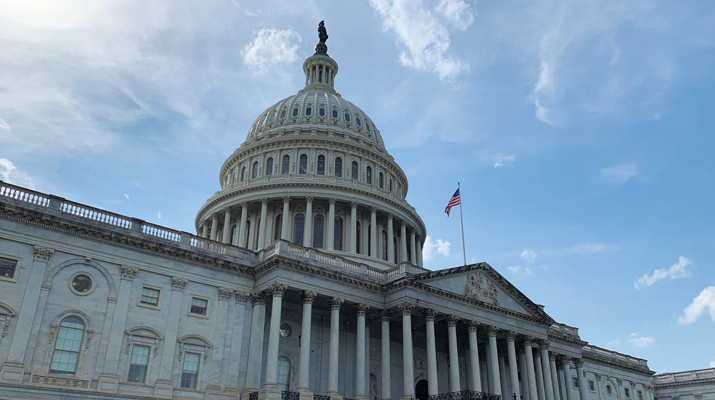
Challenges of the Jones Act
Longtime critics of the law cite the limited number of oceangoing Jones Act vessels. Of the roughly 7,500 oil tankers in operation globally, fewer than 60 are Jones Act eligible, according to a recent Washington Post article. Those numbers alone underscore the challenge created by the Jones Act. That same article also details the high costs of building and operating U.S. vessels. All of this means domestic companies are having to import energy from around the world, even as the United States has become a world leader in energy production.
NPGA continues to press forward in the hope that Jones Act reform is finally on the horizon. It is working with coalition partners and the Cato Institute, a nonpartisan and independent public policy research organization, to educate federal policymakers and the public about the benefits of targeted changes to the law.
Asked about the Jones Act on July 1, Kaminski cites the three vessels that transported propane from the U.S. mainland to Puerto Rico, representing about 410,000 barrels (17.2 million gallons) of supply. He says the current waiver has helped improve access to propane for Puerto Rican consumers by expanding available transportation options. He also calls Hawaii “another logistical area of concern for propane.”
NPGA is also working with congressional offices to develop legislation that would permanently exempt propane shipments to Puerto Rico, and potentially Hawaii, from the Jones Act. The association says this would help ensure a more reliable and affordable supply of propane for the islands’ residents and businesses.
“American territories should run on American energy,” Kaminski says. “The current Jones Act waiver and propane shipments demonstrate that Puerto Rico benefits from domestic product. NPGA is working diligently to make this key energy security initiative permanent.”
Back on the mainland, the propane industry is preparing for the high-demand fall and winter heating seasons – another reason NPGA and its coalition partners are pressing for an extension to the current waiver.
At the same time, there are growing calls for Trump to end the waiver. House Speaker Mike Johnson joined more than 50 lawmakers in a letter urging the president to let the waiver expire. They say the law protects the U.S. maritime industry, including American jobs and national security.
To subscribe to LP Gas’ weekly Trader’s Corner e-newsletter, click here.
You May Also Like
-
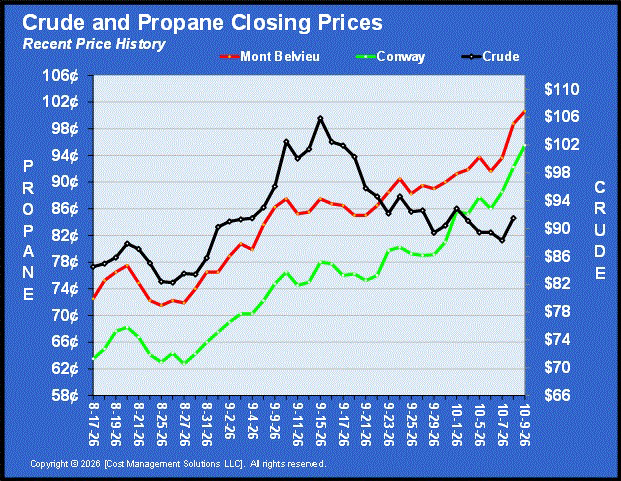
Propane prices, valuation shifting
Oct 12, 2026



About the Author: Chris Markham
Chris Markham is the managing editor of LP Gas Magazine. Contact him at cmarkham@northcoastmedia.net or 216-363-7920.


Subscribe to LP Gas
If you enjoyed this article, subscribe to LP Gas to receive more articles just like it.